
Priority Area 2: Staff & Leaders
Our Commitment
Building a strong, highly skilled workforce is essential to drive student success. Through robust professional learning and clear career pathways, our team invests in the continuous growth and expertise necessary to support every learner.
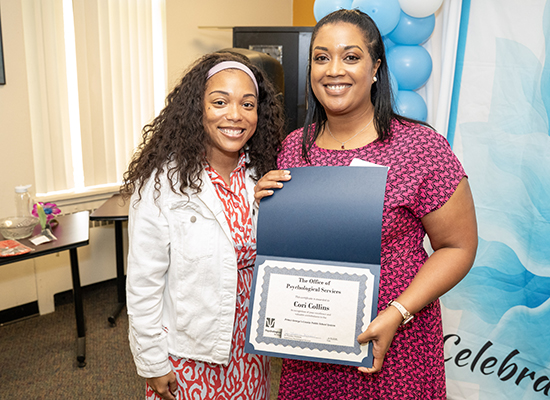
Hire and support diverse, skilled staff and leaders who strengthen learning and create an inclusive, fair environment for all.
Developing, Strengthening, and Building
We are not just supporting a workforce. We are developing talent, strengthening leadership and building a system where excellence lives in every role, in every school, every day.
Focus Areas
Recruit and Retain Diverse Staff: Prioritize recruiting, supporting, and retaining a highly effective, diverse staff through professional
growth opportunities and workplace conditions that promote retention.
Ensure High-Quality Onboarding and Mentoring: Provide consistent, high-impact onboarding and effective mentoring, as well as professional development programs, for all staff.
Build a Robust Talent Pipeline: Offer differentiated, job-embedded professional learning and establish clear development pathways for aspiring leaders.
AI-Driven Workforce Capacity & Instructional Innovation: Build staff capacity to effectively integrate AI into teaching, leadership, and
operations through targeted training, continuous learning, and innovation-focused professional development.
Strategies
2.1. Standardize clear advancement pathways and credentialing supports that accelerate professional growth and leadership readiness at all levels.
2.2. Design and implement a strategic district-wide recruitment, hiring, and retention plan to attract, support, and sustain a diverse, high-quality workforce.
2.3. Promote a streamlined, centrally aligned professional learning system that accelerates instructional quality, reduces variance across schools, and builds a culture of continuous growth for all employees.
2.4. Cultivate internal talent pipelines to drive succession planning and long-term retention.
2.5. Develop and implement a professional learning framework that increases staff efficiency and empowers staff to integrate AI into instruction and daily operations.
Blueprint for Maryland's Future: Pillar 2
Rationale for Focus AreasFocus Area: Recruit and Retain Diverse StaffWhy is recruiting and retaining diverse staff important? Recruitment and retention efforts reflect the district’s commitment to cultivating and sustaining a workforce that reflects the diversity, strengths, and experiences of the students they serve. PGCPS continues to make important investments in attracting and supporting high-quality educators and staff while navigating national teacher shortages and increasing competition for talent. These workforce challenges reinforce the importance of strengthening recruitment, hiring, and retention strategies to ensure all students have access to effective and well-supported educators. A strong body of research links teacher diversity, workforce stability, and educator effectiveness to improved student achievement, stronger school climate, and increased student engagement (Carver-Thomas, 2018; Gershenson et al., 2021). Stakeholder input underscored the role educators play in building meaningful relationships with students and fostering a sense of connection and consistency within schools. Feedback also emphasized the need for accountability and confidence that educators and leaders are well-prepared to support student success. By investing in recruitment and retention, the district can continue building stable, supportive, and high-performing learning environments where both students and staff thrive. Focus Area: Ensure High-Quality Onboarding and MentoringWhy is ensuring high-quality onboarding and mentoring important? District data indicate that approximately 25–33% of teachers are either novice teachers or teaching outside of their certification area, increasing the need for strong instructional support systems. While many educators bring dedication, talent, and potential to their roles, these conditions make comprehensive onboarding, mentoring, and ongoing professional learning especially important. Research on educator development consistently finds that high-quality induction programs, instructional coaching, and job-embedded professional learning improve teaching effectiveness, increase confidence, and strengthen retention rates (Ingersoll & Strong, 2011; Learning Policy Institute, 2017). Educators and school leaders shared that strong onboarding, mentoring, and sustained coaching are essential not only for instructional effectiveness but also for building confidence, enhancing job satisfaction, and supporting retention. Strengthening onboarding and mentoring systems will ensure staff members feel prepared, supported, and empowered to drive positive student outcomes. Focus Area: Build a Robust Talent PipelineWhy is building a robust talent pipeline important? The district’s focus on building a robust talent pipeline reflects a commitment to developing strong instructional and leadership capacity across all levels of the organization. Staff consistently expressed a desire for transparent and equitable opportunities for professional growth, including pathways to serve as instructional leaders, mentors, and administrators. Research demonstrates that districts with strong leadership pipelines and meaningful professional growth opportunities are better positioned to improve educator retention, strengthen school leadership, and sustain long-term organizational effectiveness (Wallace Foundation, 2023). Investment in leadership development and career advancement opportunities strengthens the district’s ability to identify, grow, and retain high-potential educators, cultivating the next generation of highly effective teachers and leaders across the district. Focus Area: AI-Driven Workforce Capacity & Instructional InnovationWhy is AI-driven workforce capacity and instructional innovation important? The district’s emphasis on AI-driven workforce capacity and instructional innovation reflects the evolving demands of teaching, learning, and organizational leadership. Staff identified a strong need for professional learning that supports the thoughtful, ethical, and effective integration of AI into instruction, planning, communication, and daily operations. Emerging research suggests that AI-supported tools can enhance instructional planning, streamline administrative tasks, and improve productivity when paired with appropriate training and implementation support (UNESCO, 2023; RAND Corporation, 2024). Educators also emphasized the importance of practical, hands-on learning opportunities that empower staff to integrate AI into instruction and daily operations. Intentional, AI-focused professional learning can equip educators and leaders with the tools and confidence needed to innovate, adapt, and support student success in a rapidly changing educational landscape. |
Key Performance Indicators
- Percentage of teachers with a professional license.
- Percentage of fully licensed early childhood teachers.
- Percentage of teachers in Community Schools who are National Board Certified.
- Percentage of teachers participating at Level 4 of the career ladder.
- Percentage of teachers retained over the last three years.
- Percentage of new teachers retained over the last three years.
- Percentage of teachers of color retained over the last three years.
- Percentage of new teachers of color.
- Percentage of employees retained within the district from one year to the next.
- Percentage of teachers retained within the district from one year to the next.
- Percentage of teacher of record positions that are filled by the start of the school year.
- Percentage of all employees who complete professional learning opportunities via the district professional learning platform.
- Percentage of educators and administrators, serving PreK–Grade 3 students, who successfully complete state-approved foundational Science of Reading training.
- Number of staff who complete AI professional development.
- Percentage of staff agreeing that they are confident in their ability to incorporate AI in their daily productivity or instructional use.